
No, there is a distinction between ScienceDaily and Healthline. ScienceDaily started in 1995, not 2005. They focus on science news, talking about good science studies. ScienceDaily is about science news. Healthline was started in 1999 as YourDoctor.com. Later, they changed the name to Healthline. The thing with 2005 and ScienceDaily usually means they made some changes or updated something, it does not mean that is when ScienceDaily was started. Both are useful but serve different roles in public health information sources today.
Introduction
ScienceDaily and Healthline are often confused, particularly in the period around the year 2005 in the case of ScienceDaily and 1999 in the case of Healthline. Knowing the origins of these digital health media platforms makes people select trustworthy sources of information about public health and enhances their ability to assess the best health sites 2026 and health facts vs myths online.
What Is ScienceDaily?

ScienceDaily is an online news site that reports on the most recent research by colleges, journals, and academic institutions. It includes similar areas as drug, genetics, terrain, space, and technology, and simplifies complex studies to general compendia.
ScienceDaily is neither an original research producer nor a news site, but instead a curator and news aggregator, publishing numerous times a day. This makes it a good source of wisdom news, but not a medical advice point. To get streamlined on the latest tech-related news, you can also visit Tech Updates News, which presents how digital platforms are changing with new tools.
What Is a Healthline?
Healthline( Healthline Media) is a health and wellness online publisher, offering information, symptom checkers, and condition overviews to the average user. It focuses on non-medical compendiums that are interested in easy- to- understand explanations of conditions and treatments, nutrition, and internal health. The page is suitable for mobile and desktop audiences, having easy language and visual assistance.
Healthline works with restorative analysts and editors and links to peer‑reviewed studies, in spite of the fact that it is still a consumer‑oriented health site, not a substitute for a specialist. For examples of how tech changes online platforms, check this science news article on tech‑driven health and media evolution.
Was Healthline Founded in 1999?
Healthline was, in reality, started in 1999 under the title YourDoctor.com by endocrinologist Dr. James Norman. The intention was to develop an online medical information service, which linked individuals with authoritative health information at that time. In 20052006, the company was re-launched as Healthline Systems, where it expanded its products and devices to make it an enormous wellbeing entry.
Gradually, it became one of the best wellbeing destinations in 2026, having millions of monthly clients. Other companies have acquired Healthline Media, and it currently works as a component of a bigger digital health network. The fact that Healthline was founded in 1999 enables distinguishing it among other websites, such as ScienceDaily, and it also makes the company clear in terms of its position in the history of the sources of public health information.
What Happened Around ScienceDaily in 2005?
Science Day by Day was actually created in 1995 by Dan and Michelle Hogan, not in 2005. The year 2005 is commonly associated with a time of quick advancement and proximity of the area. By the mid-2000s, ScienceDaily was already a reliable source of science news, with additional university associations and coverage on health, physics, environment, and technology.
It was becoming more and more a go-to source of summaries of recent research in search engines and readers. The source can also be found in the reference list of 2005 or redirects, or captured archives, which is the reason why individuals relate it to the dates of ScienceDaily. This expansion period contributed to entrenching it within the public health information sources and enhancing its contribution to the sharing of health facts vs myths online.
Key Differences Between ScienceDaily and Healthline
| Aspect | ScienceDaily | Healthline |
| Content Style | News that is research-oriented usually includes brief accounts of research. | Consumer‑friendly guides, symptom lists, lifestyle tips. |
| Purpose | Report breaking science news, including health‑related discoveries. | Give ordinary wellbeing data for patients and families. |
| Target Audience | Common users interested in science news, students, and teachers. | Individuals looking for well-being counsel, symptom management, and wellness support. |
| Reliability Style | Links to press releases and studies; less medical review. | Uses medical reviewers and cites peer‑reviewed sources often. |
| Use Case | Great for science news and cutting‑edge research context. | Better for practical health guidance, not medical emergencies. |
- ScienceDaily is best if you want the latest research headlines in public health information sources.
- Healthline is more useful when you need simple explanations and risk‑benefit summaries for personal decisions.
Content Style and Purpose
ScienceDaily centers on news‑style outlines of logical papers and press releases, frequently with brief passages and highlights. Healthline inclines toward longer, organized guides with bullet‑point areas, FAQs, and clear what-to-do steps.
Target Audience
ScienceDaily suits science‑oriented readers and students who need to remain updated on discoveries. Healthline targets customary clients who may not know restorative language and need plain‑language answers.
Reliability and Sources
ScienceDaily shares study titles, institutions, and links, but does not always include medical review. Healthline uses medical review boards and tends to highlight peer‑reviewed sources inside its health facts vs myths online sections.
Use Cases for Readers
Utilize ScienceDaily when you need to investigate unused research and developing patterns. Utilize Healthline when you need clear, ordinary wellbeing data you can act on rapidly.
Why People Confuse ScienceDaily and Healthline
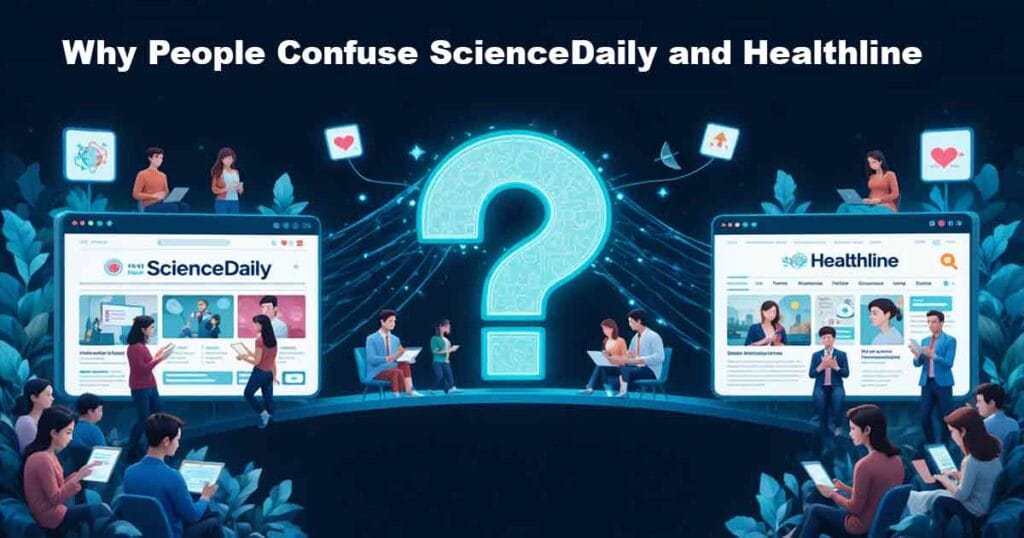
Numerous users mix up ScienceDaily and Healthline since both websites appear together in Google searches and conversations around comparable health topics. ScienceDaily centers on science news and provides rundowns, whereas Healthline conveys easy‑to‑read health guides and down-to-earth exhortation, but from a distance, they can see nearly the same.
People moreover see dates like 2005 for ScienceDaily and 1999 for Healthline in distinctive articles and references, and they expect both sites are associated or indeed the same stage. Since casual users often don’t check who runs a site or when it was founded, they end up thinking all health‑related websites are alike. This confusion makes it harder to pick the right public health information sources and to judge which top health websites 2026 are truly reliable.
Similar Health Topics
Both locales cover wellbeing conditions, medications, and research, so their look comes about frequently see alike in Google. Perusers may not take note of the distinction in branding or reason, particularly when skimming.
Overlapping Search Results
Many queries like the latest diabetes study or heart disease risk return ScienceDaily press‑style pieces and Healthline condition guides, which can blur the line between science news and health advice.
Lack of Clear Source Awareness
Casual users often do not check who runs the site or its founding history, assuming all health‑related domains are similar. They may see 2005 instead of 1999 and mix up ScienceDaily and Healthline in their minds.
This confusion affects how people select public health information sources and evaluate which of the top health websites 2026 they trust.
Timeline of Digital Health Media Growth
Late 1990s: Early Health Websites
The late 1990s saw the to begin with online restorative registries and straightforward wellbeing entries like early WebMD and YourDoctor.com (afterward Healthline). These sites offered basic encyclopedia-style health facts vs myths online, mainly text‑based and desktop‑only.
Early 2000s: Rise of Science News Platforms
Around the early 2000s, ScienceDaily and comparable science news sites were created, turning college press releases into public‑friendly diagrams. They have to be vital open wellbeing data sources, particularly for users who need to know about unused things without paying diary expenses.
2010s: Growth of User‑Friendly Health Content
The 2010s brought mobile‑first designs, interactive tools, and more visual guides on Healthline and competitors. Search engines pushed top health websites 2026‑style publishers higher, and users expected simple, fast answers instead of long medical texts.
Today: AI and Personalized Health Information
Today, major platforms, including Healthline and some tech‑driven science news sites, use AI and data analytics to personalize content and improve search ranking. For examples of how tech evolves these platforms, you can read this article on tech updates related to modern digital platforms and science‑based news systems. This shift shapes how people see health facts vs myths online and choose which public health information sources to trust.
Why Accurate Source History Matters

Trust and Credibility
Knowing when a location was established and how it developed makes a difference in how clients judge its soundness and publication history. For example, understanding that Healthline began as YourDoctor.com in 1999 suggests it has a long‑term focus on customer wellbeing, not just a speedy slant.
Content Accuracy
Sites that clearly state their review processes and origins tend to be more transparent about corrections and updates. This matters when comparing health facts vs myths online, especially during public‑health crises.
SEO and Research Benefits
For writers and researchers, correctly attributing public health information sources improves SEO and backlink quality. Clear source history also helps avoid confusing citations, such as mixing up ScienceDaily’s 1995 launch with Healthline’s 1999 founding.
Which Platform Should You Trust Today?
When to Use ScienceDaily
Utilize ScienceDaily when you need crude, later investigate rundowns and science news. It is valuable for students, teachers, and inquisitive readers who need to see and think about the features and organization of sources. Keep in mind that it centers on news‑style upgrades, not individual restorative counsel. ScienceDaily’s About page clarifies its publication process and how it chooses and summarizes investigations.
When to Use Healthline
Utilize Healthline when you require down to earth wellbeing data you can apply to your daily life. It is way better for indication direction, avoidance tips, and way of life changes, continuously with a note that a proficient interview is fundamental. Healthline’s primary location offers a wide range of topic‑specific guides and devices.
Tips for Verifying Health Content
Always check who reviewed the article, the publication date, and whether it links to peer‑reviewed journals. Healthline’s guide on reliable health sources helps readers compare public health information sources and judge which top health websites 2026 are trustworthy.
Common Myths About Online Health Platforms
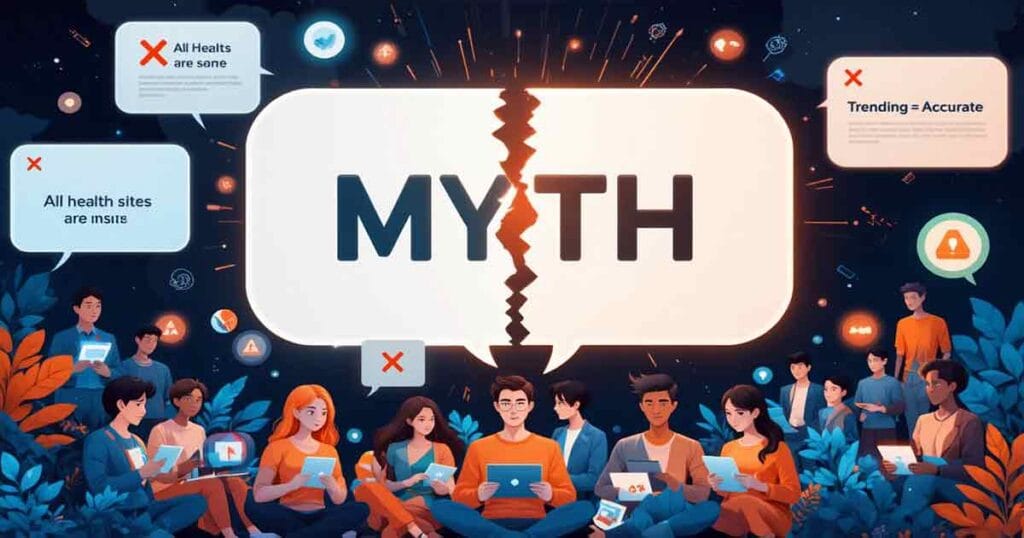
All Health Websites Are the Same.
This is wrong. A few districts, like ScienceDaily, center on news, though others, like Healthline, provide guides and lifestyle tips. Their belief levels, survey forms, and points contrast.
Older Websites Are Always More Reliable
Age does not guarantee quality. A few bequest locales spread obsolete counsel, whereas more up-to-date stages may follow current clinical rules and utilize therapeutic commentators.
Trending Content Means Accurate Content.
Viral wellbeing posts regularly overstate or rearrange, making deluding wellbeing actualities vs myths online. Continuously follow back to essential sources instead of trusting as it were what is trending.
Conclusion
No, ScienceDaily was not established in 2005 (it started in 1995), and Healthline was established in 1999 as YourDoctor.com. The 2005 link usually refers to ScienceDaily’s growth, not its founding. These are two separate platforms serving different roles in public health information sources. Understanding their rectified histories makes a difference, as perusers choose superior health websites in 2026 and judge health realities vs myths online more effectively.
FAQs
Is ScienceDaily an accommodating site?
No, ScienceDaily is a science news site, not a restorative counsel site. It reports on investigations, including well-being studies, but does not replace a doctor.
Why is 2005 connected with ScienceDaily?
2005 is frequently cited in development, update, or chronicle previews, not in establishing records. It marks when ScienceDaily became more obvious and broadly used.
Which stage is way better for wellbeing advice?
For viable wellbeing exhortation, Healthline is more often than not superior. For the most recent investigative news, ScienceDaily is more suitable.
Are ScienceDaily articles written by doctors?
Most articles are composed or altered by writers or editors, not by practicing specialists, and they summarize press releases and studies.
Can I believe Healthline for therapeutic information?
Healthline can be valuable, but you ought to continuously consult a healthcare professional for individual choices. Utilize it as a beginning point, not a last answer.
Do both websites utilize logical sources?
Yes. ScienceDaily joins college and daily press releases, whereas Healthline regularly cites peer‑reviewed studies and therapeutic guidelines.
How can I confirm well-being data online?
Check the author’s accreditations, distribution date, and whether it is published in peer‑reviewed journals or official health bodies. This makes a difference between isolated wellbeing truths and myths of romance in open wellbeing data sources.